
Sumba Retreat: What to Expect on Indonesia’s Wildest Island
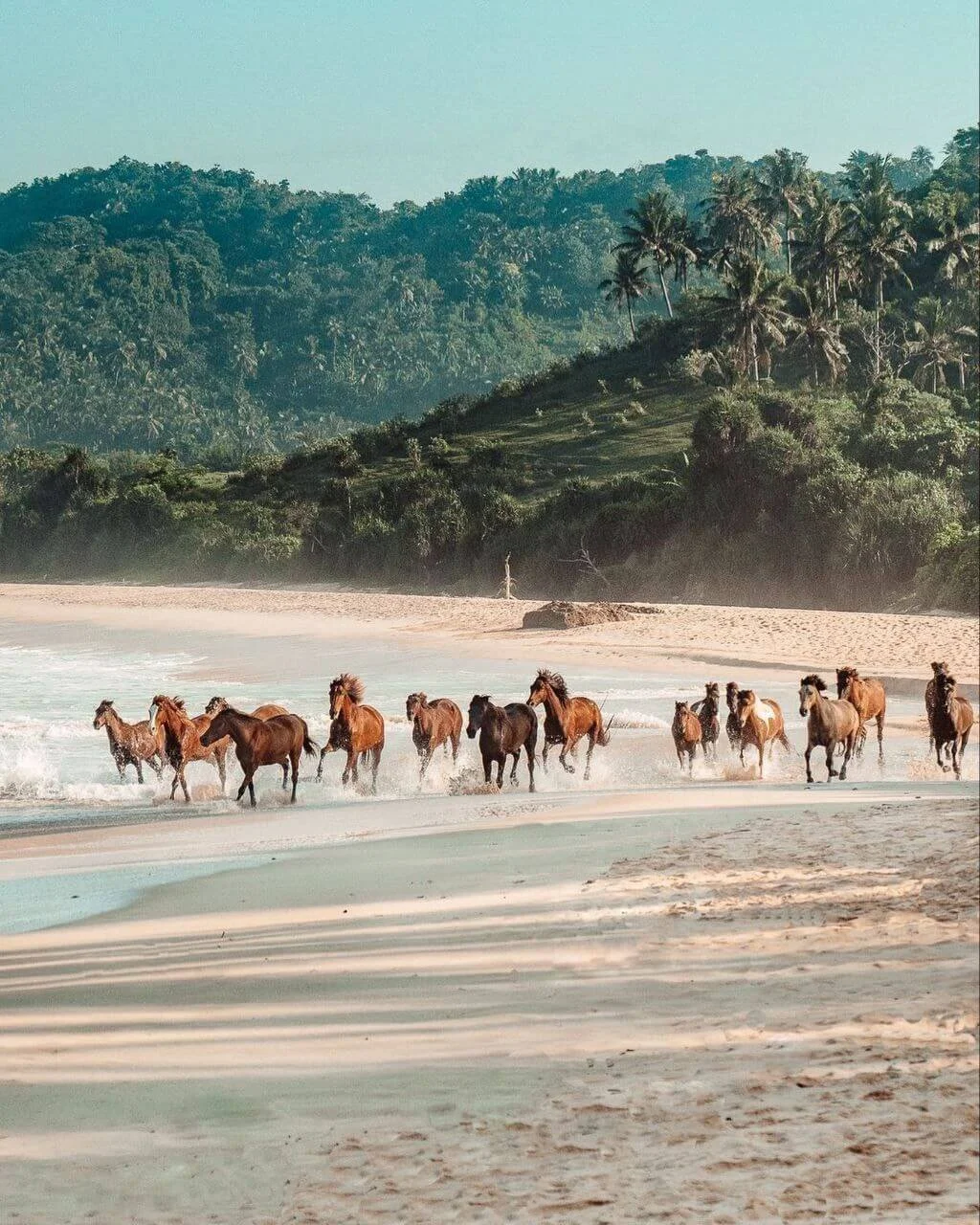
Picture a beach with no footprints on it except your own — and then a line of wild horses moving along the shoreline like they own the place, because out here, they basically do. No beach clubs. No one selling sarongs. No one at all, most mornings.
That's Sumba. It's the island most people have never heard of, sitting about ninety minutes by flight from Bali and feeling like a different century entirely. Where Bali has learned to perform paradise for whoever's watching, Sumba never had to — there was rarely anyone watching.
We add it onto our Bali retreats as an extension, and almost every woman who does it says the same thing afterwards: Bali was lovely, but Sumba is the part she can't stop talking about. Here's what a Sumba retreat actually looks like, and why it's worth the extra few days.
What Sumba Actually Is
Sumba sits in the East Nusa Tenggara province, well outside the Bali–Lombok tourist corridor, and it shows. There's no international airport crowded with layover tourists, no strip of identical resorts. The island is roughly the size of Bali but with a fraction of the population, most of it spread across small villages rather than towns.
The culture here is distinctly Sumbanese, not the Hindu-Balinese identity most visitors associate with Indonesia. Traditional peaked-roof houses still stand in clan villages, megalithic tombs mark ancestral burial sites, and horses are woven into nearly everything — ceremony, status, daily transport. It's raw in the most literal sense: unpolished, unresorted, still mostly running on its own terms.
It's also enormous by the standards of a five-night stay. You won't see all of it, and you're not meant to — the point of a Sumba retreat isn't ticking off sights, it's slowing down enough to actually notice the one stretch of coastline you're standing on.
What a Day on a Sumba Retreat Looks Like
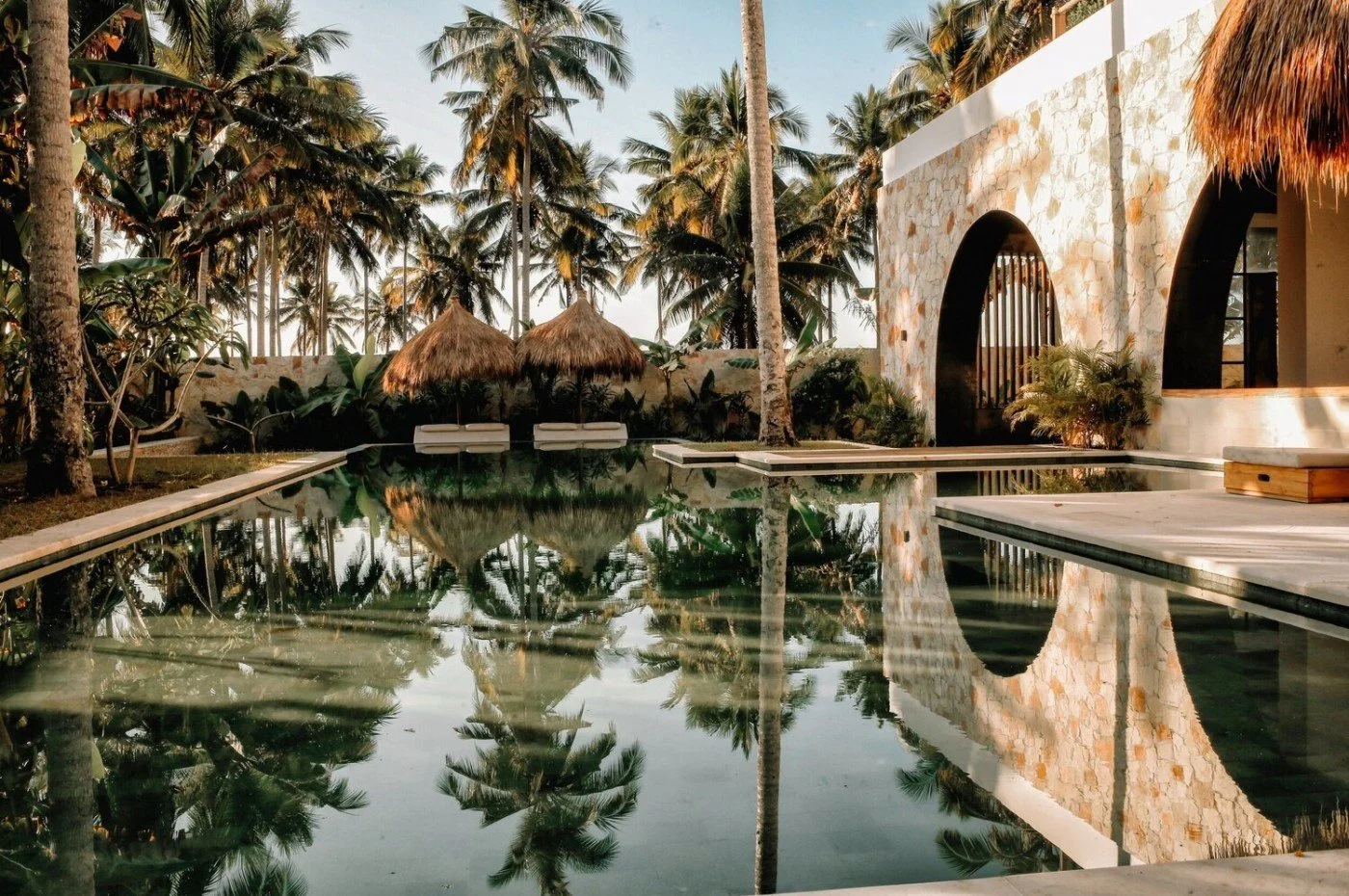
Mornings start early and outdoors — mat down on sand still cool from the night, ocean doing most of the talking. There's no studio wall here, no mirror, just horizon.
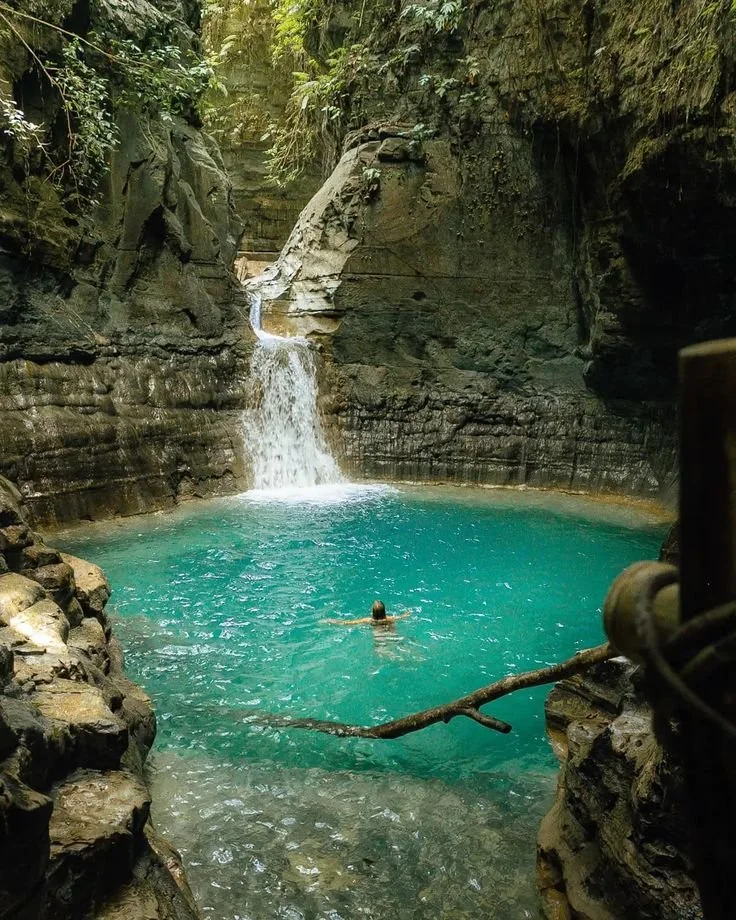
Days move at whatever pace the island sets. That might mean a boat out to a private beach that doesn't have a name on any map guests have seen, a walk to a waterfall fed by a spring that's been sacred to local villages for generations, or simply hours with nothing scheduled at all — which, if you've spent the last decade filling every hour, takes a day or two to stop feeling strange.
Late afternoons are when the horses tend to show up, wild and unbothered, grazing along the same stretches of coastline you've been walking. Evenings are slow and unglamorous in the best way — simple food, low light, conversations that go longer than they would at home because there's nowhere else to be.
There's no rigid schedule bolted onto any of it. If a group wants to stay an extra hour at a waterfall instead of moving on to the next stop, that's what happens. It's one of the few itineraries where the plan is allowed to bend around the day rather than the other way around.
What to Watch Out For
Remote is the whole point, but it's worth going in with eyes open. Infrastructure is genuinely limited — don't expect reliable wifi, air conditioning everywhere, or much in the way of nightlife. Cash is still king in a lot of places, and the nearest proper medical facility is Bali, not Sumba itself.
The heat and humidity are real, and the sun is stronger than it looks from a plane window — pack more sun protection than you think you'll need. This isn't a destination for anyone chasing five-star polish or wanting a packed itinerary of activities and options; it's for anyone who wants the opposite of that. If you'd rather have ten restaurant choices than one very good one, or you need certainty over spontaneity, Bali alone might be the better fit — and that's a perfectly complete retreat on its own.
A Sample Sumba Leg
On our Bali & Sumba Yoga & Pilates Retreat, the Sumba portion runs five nights and typically unfolds like this: arrival by short flight from Denpasar, settling into a quiet beachfront stay, then days built around morning movement, a private beach excursion, a waterfall visit with a local guide, an afternoon simply built around horses and coastline, and a final slow morning before the flight back to Bali. Nothing about it is rushed — that's deliberate.
Cost and Logistics
Sumba is reached via a roughly ninety-minute flight from Bali, which we build into the retreat itinerary rather than leaving guests to sort out themselves. The Bali & Sumba Yoga & Pilates Retreat runs October 25 – November 6, 2026, and can be joined as Bali only (7 nights, from US$1,599 twin share), Sumba only (5 nights, from US$2,299 twin share), or the full 13-day journey across both islands (from US$3,699 twin share). A US$500–1,000 deposit secures your place, and flexible payment plans are available for the balance.
Only one room remains for the October 2026 dates — if Sumba has been sitting at the back of your mind, this is the year to stop leaving it there.
Join Us in Sumba
We run a small women's retreat across Bali and Sumba each year, and the Sumba leg is consistently the part guests remember most clearly months later — not because anything dramatic happens, but because so little does. Daily movement, real quiet, and an island that hasn't been reshaped around tourism yet.
See the full Bali & Sumba Yoga & Pilates Retreat details here.
If Sri Lanka or the Maldives fits your timing better, we run small-group retreats there too — Sumba isn't going anywhere, and neither is the version of you that keeps thinking about it.